

Five Steps to B2B Payments Automation


Financial platforms like FreshBooks ACH payments and Xero ACH automate b2b payments payments make reconciliation easier by automatically categorizing transactions, which provides clear records of all payments. This is particularly useful for businesses with high transaction volumes, as it reduces the burden on your accounting team and helps avoid errors. As the market for B2B payments is estimated to grow, emerging technologies and trends can bring additional business benefits. Modern AP automation solutions are becoming more accessible, cost-effective, and available to companies of all sizes.
Processing
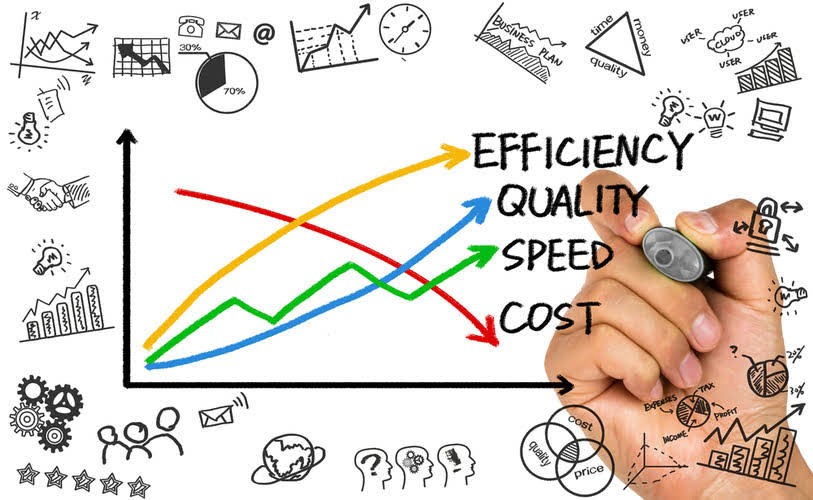
This makes efficient handling of them crucial for successful capture and posting of payments. Even pre-COVID-19 businesses were gradually shifting to QuickBooks ProAdvisor digital behaviors, using mobile apps and transfers for purchasing goods and services. The lockdown further hastened this shift, rendering cash less relevant in nearly every aspect of daily life. A streamlined B2B payment system helps navigate diverse currencies and regulations. This facilitates cross-border transactions while minimizing potential exchange risks and helping to ensure compliance with varying regulatory frameworks. An efficient, transparent B2B payment system helps adhere to regulatory compliance and mitigate errors and fraud risks, offering better oversight and control.

Getting Started with Payment Automation
Combine that with the fact that the majority of enterprise companies still rely on paper checks which require manual effort to process on the seller’s part. Obstacles like these can hold up B2B payments for weeks or even months at a time. Earning large enterprise clients is one of the top tactics for businesses looking to grow revenue. And even more important for a company’s bottom line is retaining this clientele. This requires offering quality services, building trust through consistency and security, and providing safe and convenient ways for customers to submit payments.
- Instead, the platform can automatically screen all payees against a blacklist.
- To learn more about Paze, visit Paze is operated by Early Warning Services, LLC, an innovator in financial and risk management solutions.
- The rise of eCommerce and global trade further boosts the need for automated payment systems.
- Additionally, manually processing multiple transactions and payment types can be time-consuming and more likely to result in mistakes.
- Please extend definition to mention key benefits in product sheet – mention rebates, update part about fraud, update part about processing time.
- It represents different options at the end of the shopping experience (like Paypal or Venmo).
Benefits of B2B Payments in SaaS

Businesses are increasingly turning to e-invoicing and virtual cards to streamline their payment processes and reduce costs. Because digital B2B payment methods make automated payment reconciliation possible, businesses can match payments to invoices accurately and quickly. This eliminates the need for manual data entry or cash application, and reduces keystroke errors.

UPI for B2B Payments
Once they receive the invoice, they’ll have a certain amount of time to make their payment based on your payment terms. B2B payments, also known as business-to-business payments, are the transfer of currency between two businesses in exchange for goods and services. Now, we will explore 10 key advantages of using ACH payments for B2B transactions and how this payment https://www.bookstime.com/ method can benefit your business. As you embark on transforming your payments, consider digging into concerns that finance team members may have.
- This information will help you evaluate platform features and capabilities and calculate the ROI of implementing different platforms.
- Paper checks have been almost completely replaced by electronic payments in the consumer arena, but business-to-business payment options have been slower to evolve.
- B2B payments often face challenges like payment delays, fraud risks, high transaction fees, and complex approval workflows.
- B2B payments are transactions between two businesses, such as a retailer and a supplier.
- B2B payments must comply with various regulations including Anti-Money Laundering (AML) and Know Your Customer (KYC) requirements.
- On top of this, businesses must ensure their payment processes meet regulatory standards like data protection laws to achieve increased payment security.
Payment automation enhances security by implementing various measures, such as encryption, tokenization, and multi-factor authentication. Automated systems also reduce the risk of human error and fraud by enforcing strict controls and audit trails. Predefined workflows automatically route invoices to the appropriate approvers based on vendor, amount, or department, ensuring timely approvals and compliance. Automated recurring payments simplify processes for monthly subscriptions and loan repayments, guaranteeing bills are paid punctually without manual intervention. CFOs and other C-level executives at B2B companies nationwide are feeling more urgency about implementing payment automation.