

Balancing Security and Access During Activation Processes

In today’s rapidly evolving technological landscape, balancing security and access during the activation of enterprise software is crucial. Organizations face the dual challenge of ensuring that their software licensing is legitimate while also maintaining ease of use for end users. A key area where this balance is critical revolves around the processes needed to activate office software suites. The process not only involves technical proficiency but also an understanding of compliance and legal frameworks governing software usage in a business environment.
The Importance of Activating Office Software Securely
When businesses activate office applications, they must consider both security and functionality. Unauthorized use of software can lead to significant financial losses and potential legal issues. Activating office applications securely helps safeguard against these risks. It involves various methods, including using keys and tools like ms word activator or kms for windows 10. Beyond financial implications, secure activation is pivotal in maintaining trust with stakeholders who rely on seamless software operations for productivity.
Understanding the KMS Activation Method
The Key Management Service (KMS) activation method is a popular choice for many enterprises needing to activate office products across numerous machines. This method provides a secure yet flexible approach by allowing organizations to manage their activations internally. By utilizing a KMS server, businesses can streamline the process without sacrificing control over the licenses used. Implementing such a system not only ensures compliance but also enhances operational efficiency by automating repetitive tasks associated with manual activations. Moreover, it reduces administrative overhead and empowers IT departments to focus on more strategic initiatives.
How to Activate Office with KMS
Activating office with KMS requires setting up a KMS host on your company’s network. The steps involve installing the appropriate keys and ensuring that each client machine can communicate with the KMS server. Typically, a successful setup needs at least five client computers before the activations are valid. This ensures adequate volume requirements are met under Microsoft’s guidelines. Moreover, regular audits of these systems help maintain compliance by verifying that all installations meet organizational standards. An effective audit trail not only supports compliance but also aids in quick resolution should any discrepancies arise during routine checks.
Tools for Ensuring Secure Activation
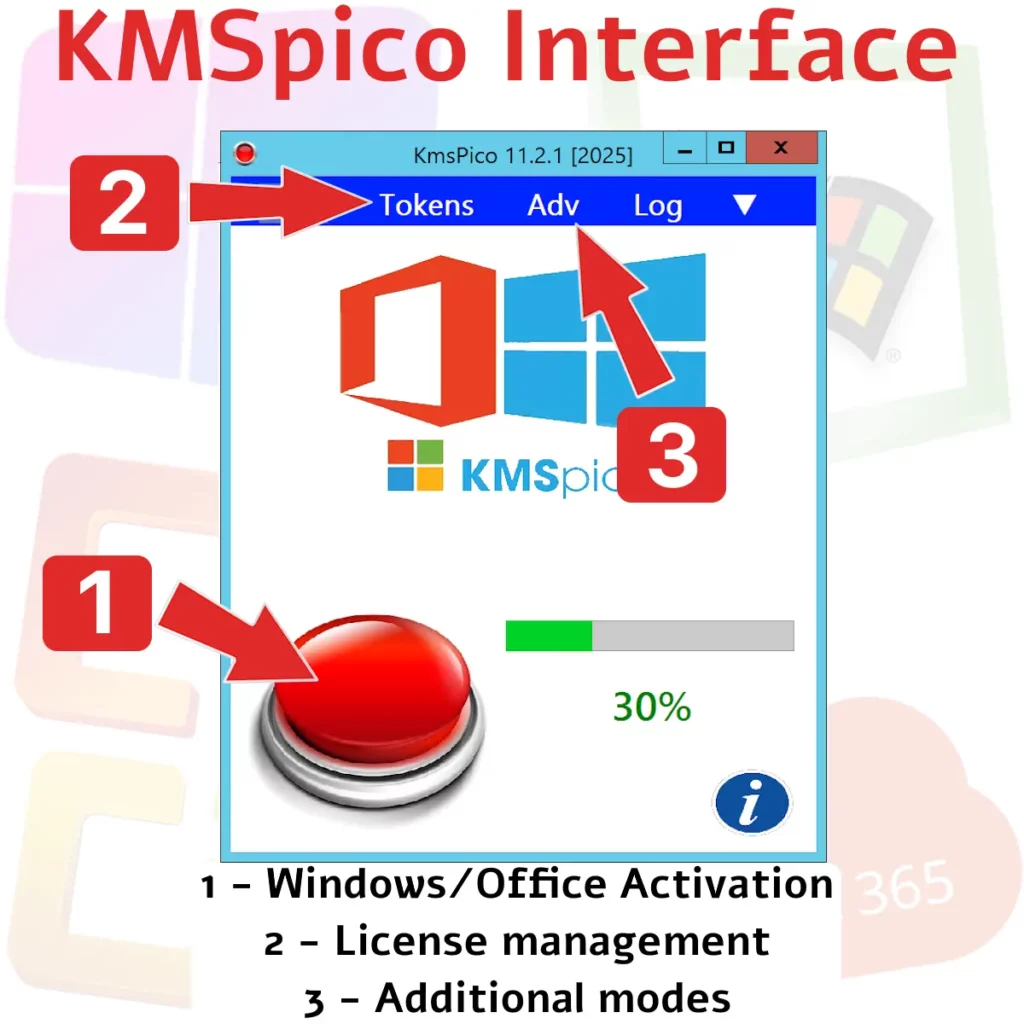
A variety of tools can assist in managing secure activation processes. For instance, KMSpico portable is an example of software that facilitates activation in environments where installing traditional KMS servers may not be feasible. Such tools help maintain compliance while providing flexibility in how software is deployed. They serve as invaluable resources in environments where infrastructure constraints limit conventional server deployments. Additionally, they offer a layer of adaptability that can be crucial for businesses operating across diverse geographical locations with varying IT resources.
Compliance Through Activation Protocols
Activation protocols serve as a cornerstone of compliance. Enterprises should regularly audit their activation processes to ensure they align with licensing agreements. A tool like DISM (Deployment Imaging Service Management) can be instrumental in checking activation statuses and reconfiguring them as necessary. Ensuring that all systems adhere to these protocols is vital for preventing unauthorized access and maintaining operational integrity. Compliance not only protects against legal repercussions but also fosters an ethical corporate culture centered around respect for intellectual property rights.
Configuring Activator Office 2021
The configuration of activator tools like Activator Office 2021 must be handled carefully to prevent unauthorized access. Proper setup entails deploying the software in controlled environments, such as virtual machines with precise specs — often VM 2 vCPU / 4 GB RAM — ensuring tests do not impact other systems directly. It’s essential to conduct thorough testing before full-scale deployment to identify potential issues that could affect system performance. This meticulous approach minimizes risk and ensures smooth integration into existing IT ecosystems without disrupting ongoing business operations.
Ensuring Stable Windows 10 KMS Activation
Stability in Windows 10 KMS activation is crucial for uninterrupted office suite functionality. Businesses need consistent monitoring and periodic reactivation to combat issues arising from system updates or hardware changes that might impede normal operations when activating office programs.
Challenges in Activate Office Operations
The challenge lies in striking an optimal balance between robust security measures and seamless user experiences when you activate office programs. Organizations often grapple with potential disruptions caused by expiring licenses or incorrectly configured activation setups.
Troubleshooting Common Activation Issues
Troubleshooting during office activation usually involves verifying network connectivity to KMS servers, correcting improperly entered keys, or ensuring all required service packs are installed on client machines before attempting reactivation. Regular maintenance schedules should include checks for expired certificates and updates on both client and server sides to ensure ongoing compatibility.
- Check network paths to ensure successful communication between devices and KMS hosts.
- Ensure all client systems have received recent updates before attempting activation sequences.
- Verify that firewall settings allow traffic between clients and the KMS server without hindrance.
The Role of Software Setup in Activation Success
A meticulously planned software setup can prevent many activation roadblocks when you activate office products efficiently. Thorough preparation includes pre-configuring systems, testing license deployments on sandboxed environments, and scheduling snapshot timings to guard against failures during live rollout phases.
Impact of Activation Delays on Business Operations
An inability to activate office applications promptly can negatively impact productivity, revealing how integrated these systems have become within everyday workflows. Downtime due to license issues could mean loss of revenue or delayed project timelines.
A Path Forward: Best Practices for Activation Processes
Navigating the complexities involved in activating office software calls for adherence to best practices designed to simplify execution while enforcing stringent security protocols.
Crafting an Effective Activation Strategy
Your strategy should encompass clear guidelines on using KMS systems effectively while ensuring all team members understand procedural nuances associated with initiating program licenses across diverse setups when activating office solutions efficiently.
- Document every step involved in license deployment to facilitate easier troubleshooting down the line.
- Create detailed guides outlining how users interact with activator tools safely without compromising organizational data integrity.
- Regularly review and update documentation based on feedback from end-users and technical support teams.
Training Staff on License Management Tools
Educating personnel about license management’s importance and teaching them how to enable applications securely minimizes risks associated with unauthorized application use—an essential aspect during any activate office process implementation within corporate settings.
This comprehensive approach ensures companies benefit from unlocked potential within their software investments without succumbing to vulnerabilities inherent in poorly managed activation methodologies when they activate office solutions effectively.