

Types of Assets List of Asset Classification on the Balance Sheet

Depreciation expense is recorded on the income statement to represent the decrease in value of fixed assets for the period. In some cases, a gain or loss may be recognized due to the disposal, transfer or impairment of fixed assets. The majority of fixed assets are purchased outright, but entities sometimes borrow funds to purchase fixed assets or pay to use a piece of property or equipment over a period of time.

Complex Disposals

This IRS article has further information and the forms you need for your taxes to report depreciation properly. Land is the only asset that is not depreciated, because it is considered to have an indeterminate useful life. Include in this category all expenditures to prepare land for its intended purpose, such as demolishing an existing building or grading the land. Tracking this ratio over time helps retailers evaluate whether new investments are translating into tangible growth or whether it’s time https://www.bookstime.com/ to reassess how those assets are being utilized. If you use accounting software, you’ll likely be able to do this by filling out a journal entry for each asset.
- FreshBooks accounting software simplifies the process of finding and understanding your balance sheet.
- 0If they are inseparable, they will be included in the cost to the computer, or if they are separable, they will be recorded as a different asset in the books of account.
- A fixed asset, or noncurrent asset, is generally a tangible or physical item that a company buys and uses to make products or services that it then sells to generate revenue.
- Fixed assets are used by the company to produce goods and services and generate revenue.
- Because they provide long-term income, these assets are expensed differently than other items.
What is a fixed asset and how do you record it in your accounts?
Audits can identify discrepancies, prevent fraud, and improve asset management. It’s important to have a comprehensive understanding of fixed assets accounted for. Use LeaseQuery’s Lease vs Buy Calculator to help make the decision for your organization. The fixed asset lifecycle goes from purchasing and placing the asset into service through disposing of the asset because it has reached the end of its usefulness to the entity. The time in between is the routine use and maintenance of the asset but can also include enhancements and improvements or repairs.
- To record this gradual loss of value, fixed assets (except financial assets) may be depreciated over several accounting periods.
- What is the purpose of a contribution in the form of a shareholder’s current account?
- Fixed assets appear on the balance sheet, where they are classified after current assets, as long-term assets.
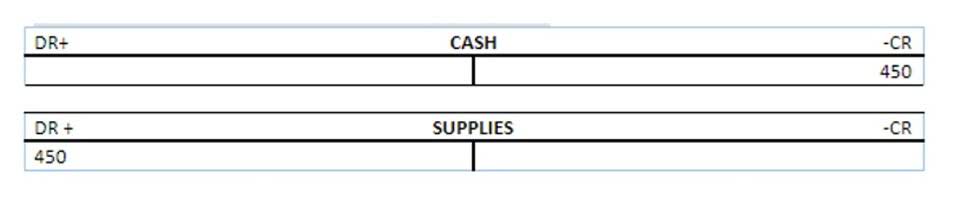
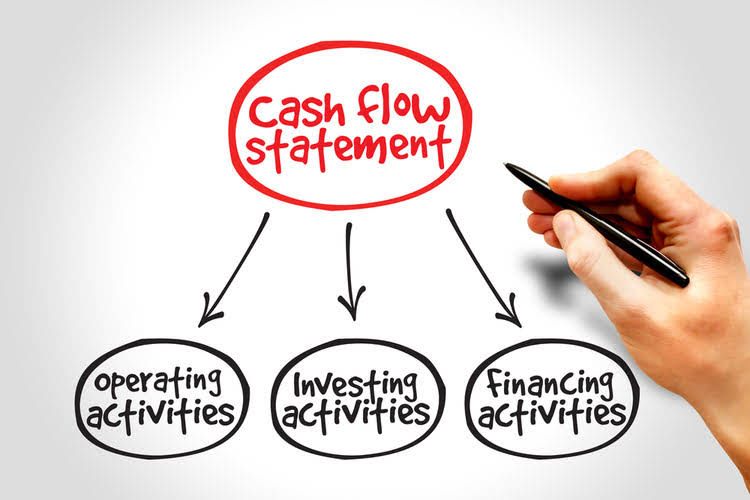
- Purchasing fixed assets causes a cash outflow, while selling them generates a cash inflow.
- Amortization is the process of gradually writing off the cost of an intangible asset over its useful life, similar to depreciation for tangible assets.
- The useful life of an asset is estimated based on factors such as the asset’s usage, maintenance, and technological advancements.
- An asset’s useful life is an estimate of the number of years an asset will be used, i.e., provide value to the organization.
What are some examples of fixed assets?
- Goodwill is a critical intangible asset in U.S. mergers and acquisitions.
- Organizations must exercise judgment to determine a reasonable dollar threshold based on factors such as the size of their entity and type of operations.
- Compliance with accounting standards like GAAP and IFRS is essential but can be complex.
- This line item is paired with the accumulated depreciation line item, resulting in a net fixed assets figure.
- A higher fixed asset turnover ratio indicates that a retail business is efficiently using its fixed assets to generate sales.
Those include the type or nature of assets and how those assets are used by the entity and sometimes based on the rate we charge fixed assets. Here is the example of how fixed assets are classify in the balance sheet of Debt to Asset Ratio the company. Entity reports fixed assets in the balance sheet; normally, assets are categorized into different categories based on types of assets and their usage.
Its recorded value on the balance sheet is adjusted downward to reflect that it is overvalued compared to the market value. As stated above, various methods may be used to calculate calculate depreciation for fixed assets. It depends on the nature of an organization’s business which method best reflects actual use and the decrease in value of their fixed assets. In accounting, a fixed asset, also known as a capital asset or tangible asset, is a tangible long-lived piece of property or equipment a company plans to use over time to help generate income.
As per IAS 16, the fixed assets or PPE should be initially recognized at cost. The cost here includes all costs necessary to bring the assets to working condition for their intended use. Fixed assets normally refer to property, plant, and equipment held for use in the production or supply of goods or services, rental to others, or administrative purposes. They are expected to be used by an entity with more than one year accounting period. Implementing best practices in fixed asset accounting ensures accuracy, compliance, and efficient management of assets.
The example of those fixed assets include:
With proper upkeep, your organization can reduce costs and increase productivity. Fixed assets are measured at their acquisition cost less accumulated depreciation, commonly referred to as net fixed assets. To get this metric, start with the purchase price of the fixed asset(s) (plus improvements), also known as the gross fixed asset fixed assets accounting amount, and deduct the accumulated depreciation.

Accounting Standards Codification Topic 360 requires organizations to capitalize, not expense, such assets when they’re initially acquired. Special rules apply to leasehold improvements to rental property by a lessee. These fixed assets are capitalized and depreciated over the shorter of 1) the improvement’s useful life, or 2) the remaining lease term, including reasonably assured renewal periods.