

Yield Farming on Solana: Navigating SPL Tokens and Tracking Your Transactions

Yield farming’s been on my mind a lot lately. Seriously, it feels like the crypto world keeps throwing new curveballs every other week. You dive into DeFi, and suddenly you’re juggling a dozen SPL tokens like a circus act, all while trying to keep your transaction history from turning into a total mess. It’s wild.
Here’s the thing. At first, I thought managing SPL tokens—Solana’s native token standard—was straightforward. But nope, the more I dabbled, the more I realized there’s a whole ecosystem buzzing beneath the surface. And if you’re staking or farming yields, you gotta keep track of your transactions in a way that doesn’t make your head spin.
Oh, and by the way, if you haven’t tried it yet, the solflare wallet extension is an absolute game-changer for this. I’ll get into why soon.
So, yeah—yield farming. On Solana, it’s not just about earning passive income; it’s about navigating an ecosystem that’s fast, cheap, but also kinda unforgiving if you slip up. Something felt off about the way I was tracking my tokens at first. My instinct said I needed a better tool, and boy, was I right.
Let’s break this down, starting with SPL tokens.
What’s Up with SPL Tokens?
SPL stands for Solana Program Library, basically Solana’s version of ERC-20 tokens on Ethereum. But here’s the kicker: SPL tokens are lightning-fast and super cheap to transfer, which is why they’re so popular for yield farming and DeFi projects on Solana.
Really, they’re the bread and butter of the Solana DeFi world. You can stake them, swap them, or use them as collateral. But because there are hundreds—if not thousands—of these tokens, the complexity of managing them quickly ramps up.
Initially, I thought, “I’ll just watch my balance in my wallet and call it a day.” Actually, wait—let me rephrase that. I *tried* that, but it’s not enough. You need to understand token provenance, staking periods, rewards accrued, and so forth. The raw token balance says only so much.
Here’s where transaction history becomes your best friend—or your worst enemy.
Tracking Transactions: The Invisible Maze
Whoa! Tracking your transaction history on Solana isn’t always straightforward. Unlike Ethereum’s Etherscan, Solana’s explorers can feel a bit fragmented, especially when you’re juggling multiple SPL tokens and yield farms.
My first attempts to manually piece together where I staked what and when quickly became overwhelming. I found myself opening multiple tabs, switching between explorers, and still missing some details.
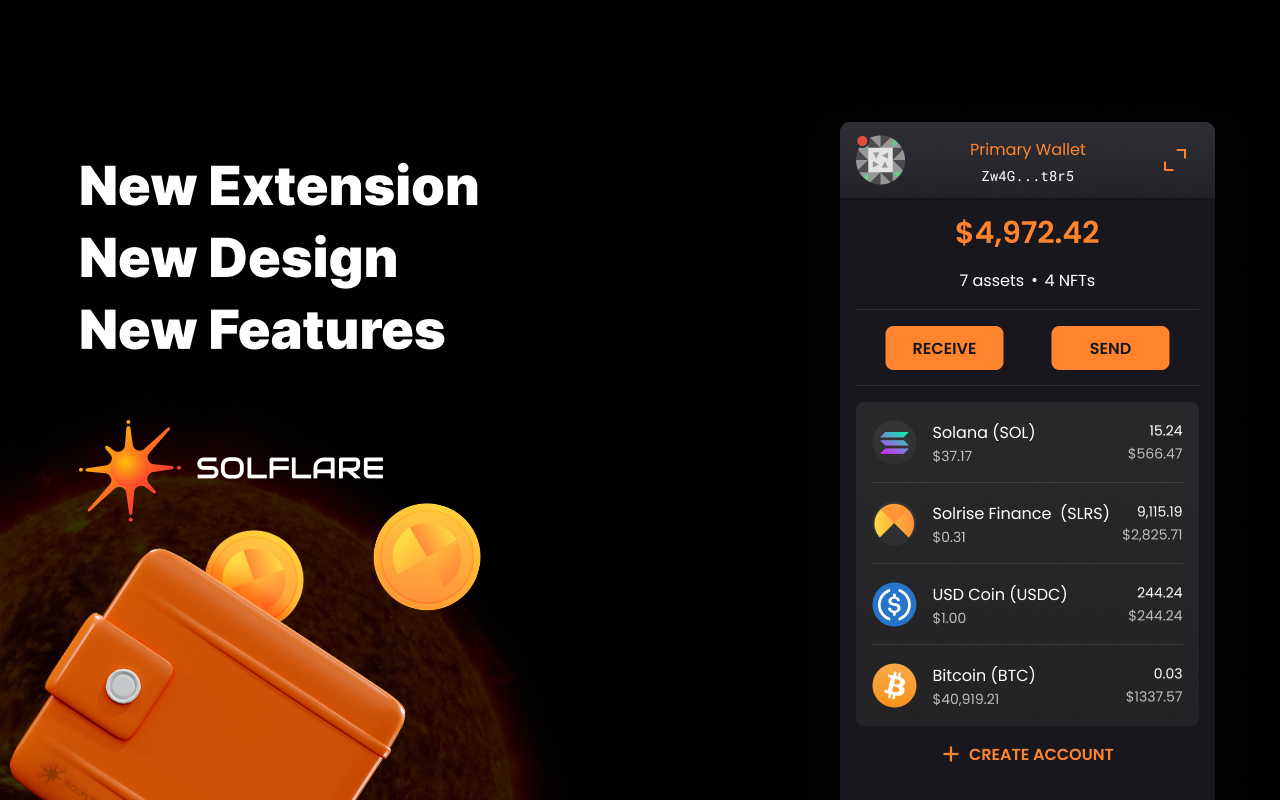
But here’s the silver lining: wallets like the solflare wallet extension give you a much clearer picture. It aggregates token info and transaction history in a user-friendly dashboard, which is a total relief.
On one hand, you want a granular look at each stake, but on the other hand, you need a bird’s eye view to make smart decisions. Balancing these two perspectives can be tricky.
Something else I noticed: some farming protocols have their own dashboards, but they often don’t sync perfectly with your wallet’s transaction history. This inconsistency bugs me—it makes auditing your yield a chore.
Why the Solflare Wallet Extension Makes a Difference
Okay, so check this out—the solflare wallet extension isn’t just a wallet. It’s like having a personal assistant for your Solana assets.
It supports a wide range of SPL tokens, shows your transaction history in context, and integrates with staking and DeFi apps seamlessly. Honestly, it saved me a ton of headaches.
Plus, its interface feels intuitive, which is no small feat in crypto-land. I’m biased, but the fact that it’s built specifically for Solana means it handles the ecosystem’s quirks better than generic wallets.
Here’s the thing—when you’re deep into yield farming, every second counts. High-speed transactions and low fees matter only if you can manage your assets without fumbling around. That’s where this wallet shines.
Still, I’m not 100% sure if it’s perfect for absolute beginners. There’s a slight learning curve, especially if you’re new to DeFi, but it’s worth the investment.
Yield Farming: A Balancing Act
Yield farming on Solana feels like walking a tightrope sometimes. Fast transactions and low gas fees make it appealing, but the risk of losing track of your tokens or rewards can erode gains quickly.
Seriously, I’ve seen people miss out on rewards because they didn’t stake the tokens properly or forgot to claim them. The transaction history can get cluttered fast, especially if you’re hopping between farms and staking pools.
That’s why transparency and good wallet management tools aren’t just nice-to-haves—they’re essential. You want to see where your SPL tokens are, how they’re performing, and what’s pending in real-time.
And the best part? Combining this with the solflare wallet extension means you can do all that without opening a dozen different apps or explorers.
Actually, wait—let me rephrase that. It’s not just convenience; it’s about smarter, safer farming.
Final Thoughts: Keeping It Real in a Wild World
Yield farming’s thrilling but messy. The SPL token universe is vast and growing, and transaction history can feel like a spaghetti bowl without the right tools. My gut feeling is that if you’re serious about farming on Solana, using a purpose-built wallet like solflare wallet isn’t optional—it’s a must.
Sure, there are other options. But something about the integrated experience and Solana-centric design really won me over. I’m still learning, and honestly, some days it feels like the rug could be pulled out from under you. But having a reliable way to manage SPL tokens and track your transactions keeps me a step ahead.
Anyway, that’s where I’m at. If you’re diving into yield farming or staking in the Solana ecosystem, give this wallet a serious look. It might just save you from a lotta unnecessary headaches.